Skip to content

In Dallas, summer isn’t just hot, it puts your entire cooling system under constant pressure. Many homeowners notice their AC running longer, certain rooms staying warm, and energy bills climbing even when the system seems to be working nonstop. These issues are often tied to airflow limitations, duct losses, or systems that aren’t designed for how homes actually handle heat.
A ductless mini split offers a different approach by delivering cooling exactly where it’s needed, without relying on ductwork that can reduce efficiency. In this guide, you’ll learn how ductless systems work, where they perform best in Dallas homes, and whether they’re the right solution for improving comfort and reducing cooling costs during peak summer.
How Dallas Summer Conditions Impact Your Cooling System

When Dallas summer temperatures regularly exceed 100°F and humidity levels remain high, your cooling system operates under continuous strain. Long cooling cycles become common, especially in homes with poor insulation or heat-prone areas like upstairs rooms. Humidity further reduces comfort and forces the system to work harder to maintain indoor conditions, increasing energy usage and wear on components.
Key impacts of Dallas summer conditions:
- Long runtimes – Systems run for extended hours daily to maintain indoor temperatures during peak heat
- Humidity load – Extra moisture removal increases system workload and reduces overall cooling efficiency
- Duct losses – Up to 20–30% cooled air loss through attic ductwork reduces system effectiveness
- Hot zones – Uneven cooling in upstairs or sun-exposed rooms creates comfort issues across the home
- Higher costs – Increased runtime leads to rising electricity bills and more frequent maintenance needs
These combined factors reduce efficiency, accelerate system wear, and make it harder to maintain consistent comfort. Choosing a high-efficiency air conditioning system helps improve performance, reduce energy consumption, and maintain stable indoor temperatures during demanding Dallas summers.
What Is a Ductless Mini Split and How It Works

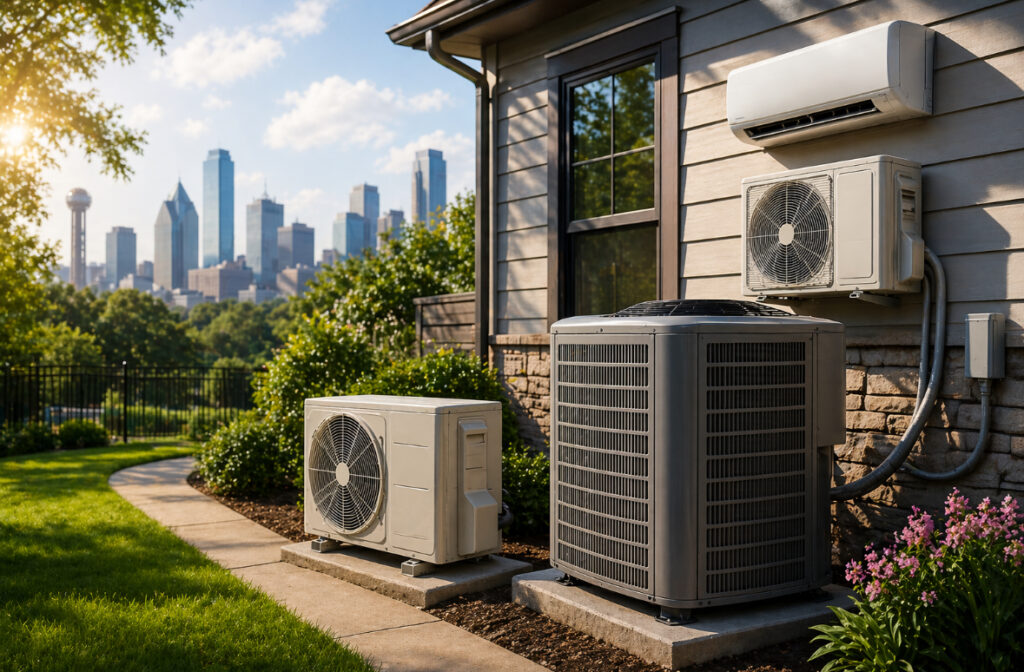
A ductless mini split is a zoned HVAC system designed to deliver cooling directly into specific areas without using ductwork. In Dallas, where long cooling cycles and high attic heat impact system performance, ductless systems offer a more controlled and efficient way to maintain indoor comfort. They operate with independent indoor units connected to a single outdoor unit, allowing precise temperature control in different parts of the home.
Core System Components
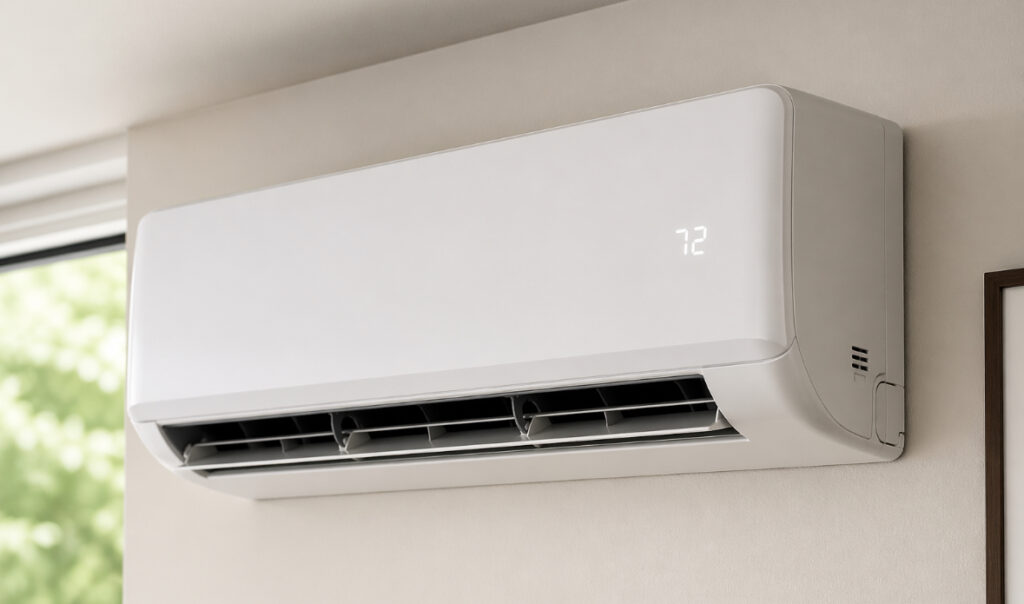
A ductless system consists of an outdoor condenser and one or more indoor air handlers installed in different rooms. The outdoor unit manages compression and heat exchange, while indoor units deliver conditioned air directly into the space. These components are connected through a compact conduit that carries refrigerant and power, enabling efficient operation without duct-related losses.
Cooling and Heating Process
Each indoor unit pulls warm air from the room and passes it over evaporator coils filled with refrigerant. The heat is absorbed and transferred outside, while cooled air is circulated back into the room. In heating mode, the system reverses this process. Inverter-driven compressors adjust output based on demand, maintaining stable temperatures and reducing unnecessary energy use during extended Dallas summers.
Zoning and Room Control
Ductless systems operate on a zoned setup where each indoor unit controls a specific area. This allows homeowners to adjust temperatures independently across rooms instead of relying on a single thermostat. In homes with uneven cooling, this setup improves comfort while reducing energy waste by avoiding overcooling unused spaces.
Installation and Placement
Installation requires only a small wall opening to connect indoor and outdoor units, avoiding major structural changes. Indoor units can be mounted on walls, ceilings, or floors depending on room layout and heat exposure. Proper placement ensures consistent airflow, reduces hot spots, and improves overall system efficiency in high-temperature environments like Dallas.
Common Problems With Central AC Systems in Dallas Homes
In Dallas, central air conditioning systems often struggle under extreme heat, long cooling cycles, and attic-driven heat gain. Many performance issues are not due to system failure but inefficiencies in airflow, duct design, or aging components. These problems reduce cooling effectiveness, increase runtime, and drive up energy costs during peak summer.
High Ductwork Energy Loss
In many Dallas homes, duct systems run through superheated attics where temperatures can exceed 120°F. Leaks or poor insulation allow 20–30% of cooled air to escape before reaching living spaces. This forces the AC to run longer cycles, increasing energy consumption while still failing to maintain consistent indoor temperatures.
Uneven Room Temperature Control
Central AC systems often struggle to distribute air evenly across different zones. Upstairs rooms, sun-facing areas, and extensions tend to stay warmer due to longer duct runs and heat exposure. This leads to constant thermostat adjustments, where some rooms feel overcooled while others remain uncomfortable.
System Overload During Heatwaves
During extended periods of 100°F+ temperatures, central AC systems can run continuously without reaching the desired set temperature. This constant operation increases strain on components, leading to reduced airflow, longer cycles, and higher chances of system breakdown during peak demand.
Declining Performance With Age
As systems age, key components like compressors and coils lose efficiency. Older units require longer runtime to deliver the same cooling output, resulting in higher energy bills and inconsistent comfort. In Dallas conditions, this decline becomes more noticeable during extreme heat when system performance is pushed to its limits.
Here’s a quick comparison of common component issues and their impact:
| Component | Common Problem | Local Impact |
|---|---|---|
| Compressor | Reduced output | Insufficient cooling |
| Evaporator Coil | Corrosion/leaks | Poor humidity control |
| Blower Motor | Slow/failing speed | Weak airflow |
| Thermostat | Inaccurate readings | Temperature swings |
| Ductwork | Gaps/leaks | Energy loss (20–30%) |
If you’re facing these issues, a ductless split can offer modern efficiency without the headaches.
Central AC vs Ductless Mini Split: What Matters Most in Dallas

How do you know which cooling system truly stands up to Dallas summers—central AC or a ductless mini split? In Dallas, with relentless 100°F days and high humidity, you need a system that cools efficiently and reliably. Central AC relies on ductwork, but many Dallas homes—especially older ones—lose 20–30% of cooling through leaky or poorly insulated ducts. Ductless mini splits, on the other hand, deliver cooled air directly to each room, slashing energy loss and letting you adjust temperatures by zone. That means more comfort in problem areas like upstairs bedrooms, sunrooms, or garages. Plus, mini splits often reach higher SEER ratings, translating to lower energy bills during long cooling cycles. For many, the difference is comfort tailored to your space—and lower overall costs.
When a Ductless Mini Split Is the Right Choice for Your Home
In Dallas, not every home benefits from a traditional ducted system. Factors like aging ductwork, uneven layouts, and extreme summer heat often make ductless mini splits a more efficient and practical solution. These systems are designed to deliver targeted cooling where central AC struggles the most.
Older Homes With Duct Issues
Older Dallas homes often have outdated or leaking duct systems that reduce cooling efficiency. When ducts lose 20–30% of conditioned air, rooms struggle to stay cool even with long AC cycles. Ductless systems eliminate this issue by delivering air directly into the space, improving comfort and reducing wasted energy without requiring duct replacement.
Key advantages in older homes:
- No duct loss – Eliminates energy waste caused by leaking or poorly insulated duct systems in hot attics
- Direct cooling – Delivers conditioned air straight into rooms without relying on outdated distribution systems
- Lower energy use – Reduces runtime compared to central systems struggling with inefficient airflow
- Minimal changes – Avoids major structural work required for duct repair or full replacement
- Consistent comfort – Improves temperature balance across rooms that previously felt uneven or difficult to cool
Rooms With Consistent Cooling Issues
Certain areas in Dallas homes, like upstairs rooms or sun-exposed spaces, often remain warmer due to poor airflow distribution. Central systems struggle to maintain balance across different zones.
Common problem areas:
- Upstairs rooms – Heat rises, making cooling less effective
- Sunrooms – Large windows increase heat gain significantly
- Garages – Converted spaces lack proper duct design
- Long duct runs – Reduced airflow to distant rooms
- Closed layouts – Air circulation becomes restricted
Ductless mini splits provide individual control, allowing you to cool specific rooms without affecting the entire house.
Home Additions and Renovations
Expanding ductwork in Dallas homes is often complex and expensive, especially in older structures or tight attic spaces. Ductless systems offer a simpler alternative.
Instead of modifying the entire HVAC setup, a mini split can be installed directly in the new space. This avoids additional duct losses and allows efficient cooling from day one. Installation is quicker and less disruptive, making it ideal for renovations or newly added rooms.
Upstairs and Heat-Exposed Areas
Upper floors and sun-facing rooms in Dallas homes experience higher heat buildup due to roof exposure and insulation limitations. Central AC systems often struggle to deliver consistent cooling to these areas.
Ductless mini splits address this by providing direct cooling at the source. This reduces strain on the main system, improves comfort, and maintains stable temperatures even during extreme summer conditions.
Energy Efficiency and Cost Savings With Ductless Systems
Given Dallas’s relentless summer heat and high humidity, energy efficiency isn’t just a nice-to-have—it’s essential for managing both comfort and energy bills. Ductless mini split systems deliver impressive efficiency gains, especially when you’re dealing with older homes or spaces plagued by leaky or poorly insulated ductwork. Traditional central AC can lose up to 20–30% of cooled air through ducts, driving up your costs.
Ductless systems eliminate this waste, letting you cool only the rooms you use. With high SEER ratings—often 20+—and ENERGY STAR options, you’ll see real drops in monthly bills, even during those marathon July afternoons. You’re also able to zone your cooling, targeting hot spots like upstairs bedrooms, so your system runs less and works smarter, not harder.
Why Choose Reynolds Heat N Air for Ductless Mini Split Installation

Choosing a ductless mini split in Dallas only works if the system is properly designed for how your home handles heat. We evaluate room-by-room load, sun exposure, insulation gaps, and airflow challenges before recommending a solution. This ensures your system delivers consistent cooling in areas where traditional systems often struggle during peak summer.
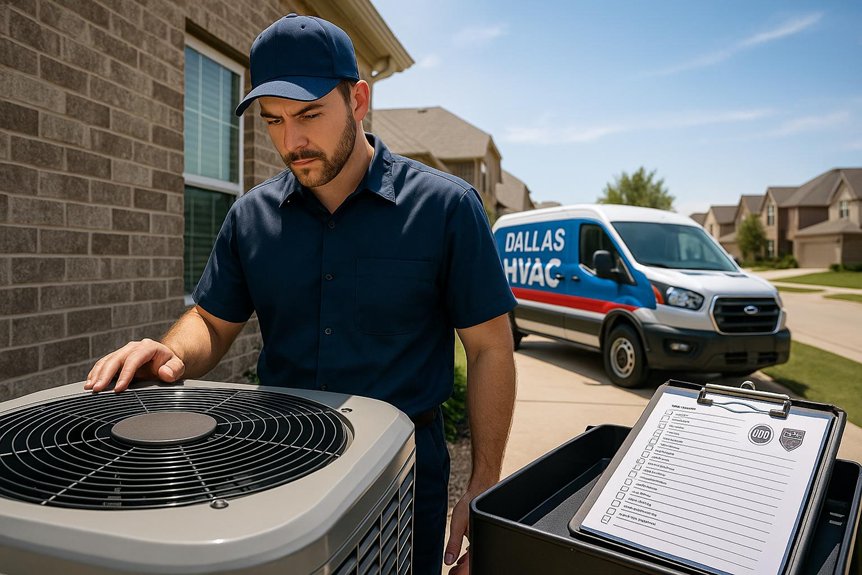
At Reynolds Heat & Air, our installation process focuses on performance and precision. We size each system correctly, place indoor units for optimal airflow, and fine-tune refrigerant levels to maintain efficiency during long cooling cycles. If you’re considering a ductless mini split installation service, our approach is built to reduce energy waste while improving comfort.
With hands-on experience across Dallas homes, including upstairs hot zones, additions, and duct-related inefficiencies, we install systems that directly address real cooling problems. The result is better temperature control, reduced system strain, and reliable comfort throughout the summer.