Skip to content


Choosing the right HVAC system for your Dallas home isn’t just about upgrading outdated equipment — it’s about finding a solution that can perform reliably through intense summer heat, unpredictable winter cold fronts, and extended yearly usage. Many North Texas homes deal with challenges like high attic heat buildup, strong sun exposure, and uneven cooling between floors, all of which can impact comfort and energy efficiency. If your current system is running longer, struggling to keep rooms comfortable, or causing rising utility costs, selecting the right replacement can make a noticeable difference. Keep reading to understand the key factors that will help you make a confident HVAC decision.
Start With Your Home’s Cooling Load and Comfort Challenges

Before comparing brands or efficiency ratings, you should first understand how your home gains and loses heat throughout the year. Many Dallas properties — especially older ranch-style or slab-foundation homes — experience heavy attic heat transfer and duct efficiency issues. If your system is incorrectly sized, you may notice long runtime cycles, inconsistent temperatures, or humidity discomfort. A properly sized system ensures better comfort while preventing unnecessary strain on mechanical components.
Key factors that influence HVAC sizing decisions:
- Square footage and ceiling height affecting cooling demand
- Attic insulation levels impacting indoor heat gain
- Window orientation and sun exposure increasing afternoon load
- Duct condition and layout efficiency limiting airflow balance
- Number of occupants and appliances adding internal heat
When these variables are carefully evaluated, your system can operate more efficiently. Accurate load calculations also help determine whether you need complete HVAC installation and replacement services or targeted performance upgrades.
Choosing Between Central AC, Heat Pumps, or Zoned Solutions

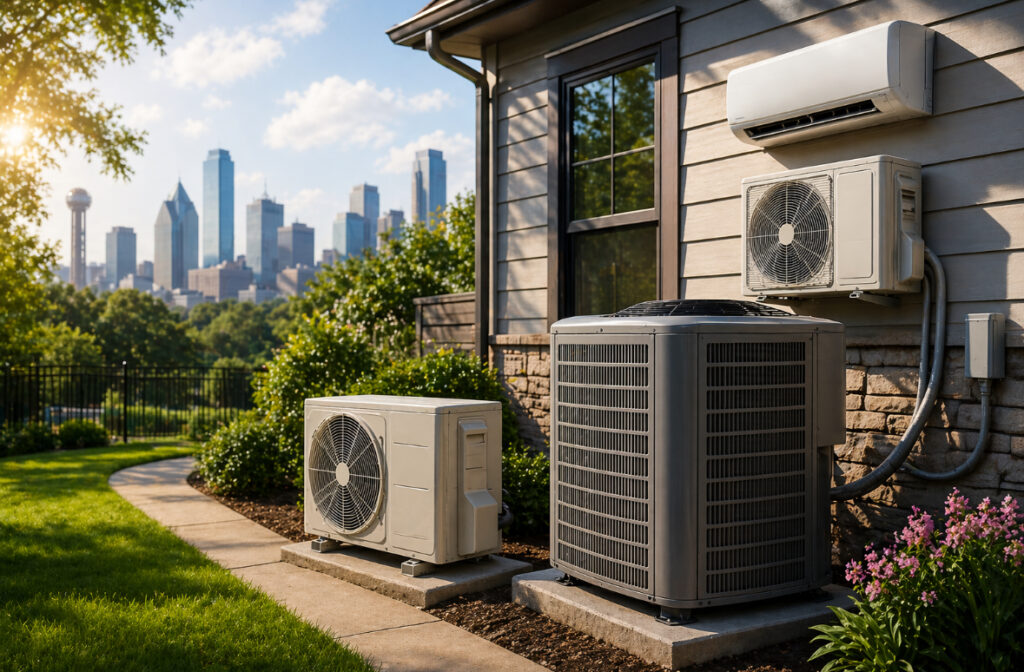
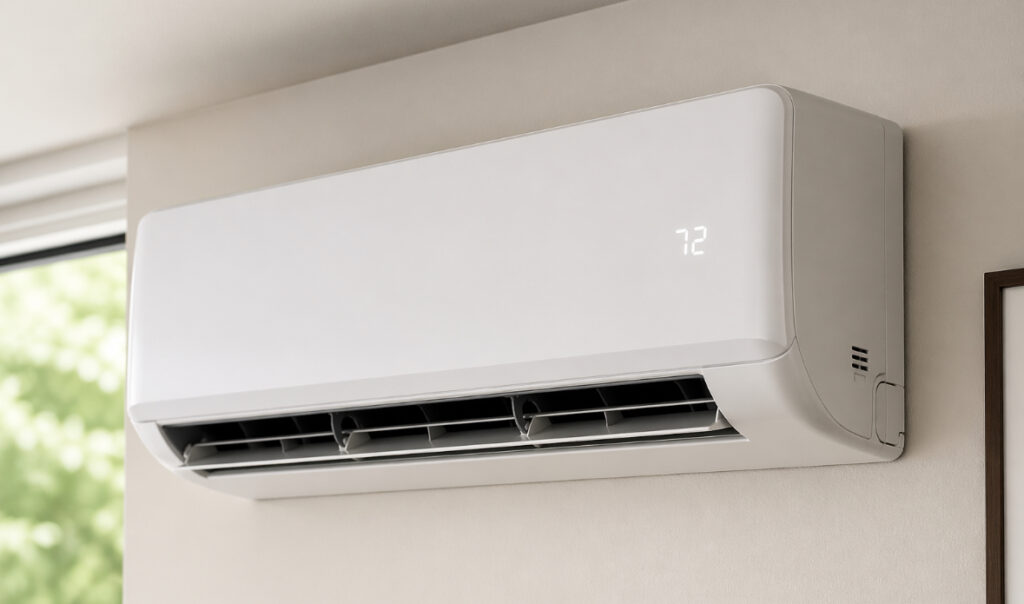
Dallas climate conditions allow flexibility when selecting an HVAC system, but your final decision should depend on home layout, energy goals, and comfort expectations. Traditional central air systems remain popular for larger homes with existing ductwork, while modern heat pumps provide efficient heating and cooling from a single system. Zoned or ductless solutions are often ideal for additions, second floors, or properties with persistent hot and cold spots.
Comparing system types for Dallas homes:
| System Type | Best Fit Scenario | Key Advantage |
|---|---|---|
| Central AC + Furnace | Large homes with existing ducts | Strong cooling capacity for extreme heat |
| Heat Pump Systems | Moderate winters and efficiency focus | Year-round comfort with lower energy usage |
| Ductless Mini-Splits | Older homes or room additions | Targeted cooling without major duct changes |
Choosing the right system type improves comfort consistency and helps reduce long-term operating costs. Once system selection is narrowed down, the next step is understanding which performance features truly matter in North Texas weather.
Performance Features That Make a Real Difference in Dallas
Modern HVAC systems include advanced features that can significantly improve comfort during long cooling seasons. Variable-speed compressors and blower motors help maintain stable indoor temperatures by adjusting output gradually rather than cycling aggressively. Smart thermostats allow you to manage runtime patterns and reduce energy waste during peak afternoon heat. Improved filtration and humidity control are also important in Dallas, where dust levels and moisture fluctuations can impact indoor air quality.
Features worth prioritizing in your new HVAC system:
- Variable-speed operation for smoother temperature control
- Humidity management capability improving indoor comfort levels
- Smart thermostat compatibility enabling energy-saving schedules
- Enhanced filtration options reducing dust and airborne allergens
- Quiet outdoor units minimizing neighborhood noise concerns
Selecting the right features helps your system adapt to changing weather conditions more effectively. However, even the best equipment will struggle without proper efficiency planning and energy rating awareness.
Understanding HVAC Efficiency Ratings Before You Buy

Energy efficiency plays a major role in system selection because Dallas cooling seasons are both long and electricity-intensive. Higher SEER2 ratings indicate improved cooling efficiency, which can lower your monthly operating costs over time. Heat pump HSPF ratings help you evaluate winter heating performance, while ENERGY STAR® certification signals compliance with strict federal efficiency standards. Scheduling an HVAC energy-efficiency evaluation can help you compare realistic savings between system models.
Important HVAC Efficiency Ratings to Consider in Texas
- SEER2 Rating — Measures seasonal cooling efficiency during long Texas summer runtime and helps estimate potential electricity savings.
- HSPF Rating — Indicates heat pump heating efficiency during mild winters and sudden North Texas cold snaps.
- EER Rating — Shows how efficiently your system performs during extreme peak heat conditions common in Texas afternoons.
- ENERGY STAR® Certification — Confirms the system meets strict federal efficiency standards for lower energy usage and improved comfort.
- Inverter Technology — Allows the system to adjust output smoothly, improving efficiency and temperature stability in fluctuating Texas weather.
When efficiency planning is done correctly, you can reduce long-term expenses while maintaining stronger comfort stability. The final decision often comes down to installation quality and how well the system is optimized for your home.
Why Professional HVAC Installation Matters More Than You Think
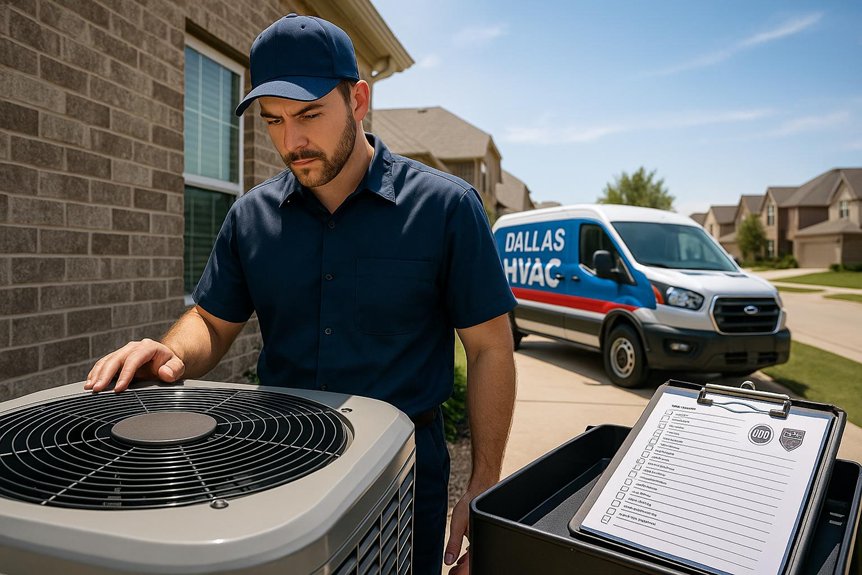
Even the most advanced HVAC system can underperform if installation is rushed or improperly planned. In Dallas homes, issues like duct leakage, incorrect refrigerant charging, or poor airflow balancing can significantly reduce efficiency and comfort. Proper installation ensures your system delivers the cooling capacity and energy savings promised by the manufacturer. Scheduling professional HVAC installation and replacement services allows technicians to evaluate duct condition, insulation levels, and thermostat placement before the system is activated.
Critical installation steps that impact system performance:
- Accurate refrigerant charging to maintain peak cooling efficiency
- Duct sealing and airflow testing improving temperature consistency
- Electrical load verification preventing premature component failures
- Thermostat calibration ensuring correct temperature communication
- Outdoor unit placement planning reducing heat exposure impact
When installation is handled correctly, your system operates more reliably and lasts longer. However, long-term performance also depends on how well you maintain and monitor your HVAC equipment throughout the year.
How You Can Maximize HVAC Comfort and Efficiency Year-Round
Once your new system is installed, consistent upkeep plays a major role in protecting comfort and reducing unexpected repair costs. Dallas HVAC systems experience heavy runtime pressure during summer, making preventive care essential. Scheduling routine AC maintenance tune-ups helps identify airflow restrictions, electrical wear, or refrigerant imbalance before they lead to breakdowns. Simple homeowner habits can also improve system efficiency and extend equipment lifespan.
Smart ways you can protect HVAC performance:
- Replace air filters regularly during heavy cooling months
- Keep supply vents open and unobstructed throughout your home
- Clear debris from outdoor condenser units after storms
- Monitor unusual noises or extended runtime cycles early
- Schedule seasonal performance inspections before peak demand
When preventive steps are followed consistently, your system can maintain stronger efficiency and comfort stability. Still, choosing the right HVAC partner remains one of the most important decisions you can make.
Choosing the Right HVAC Company for System Selection and Installation
Selecting the right equipment is only part of the process — working with an experienced Dallas HVAC provider ensures your investment delivers long-term value. A knowledgeable contractor can perform detailed load calculations, recommend system configurations suited to your home design, and provide honest guidance on efficiency upgrades. Whether you are considering a traditional cooling system or a modern heat pump installation and replacement, expert recommendations help you avoid costly sizing or performance mistakes.
What you should look for in an HVAC contractor:
- Proven local experience handling Dallas climate comfort challenges
- Clear system recommendations based on real load calculations
- Transparent pricing and detailed installation scope explanations
- Strong customer reviews reflecting reliability and service quality
- Preventive maintenance plans supporting long-term system performance
When you work with a trusted professional, you gain confidence that your HVAC system will perform as expected. This makes the final decision easier when choosing a company to handle installation and future servicing.
Why Choose Reynolds Heat & Air for HVAC Installation in Dallas
Choosing a new HVAC system is a significant decision that can impact your comfort, efficiency, and long-term operating costs. With over 25 years of HVAC experience serving Dallas County, we help you evaluate practical options based on your home’s layout, energy goals, and current system performance. Our NATE-certified technicians take the time to assess airflow balance, equipment sizing, and installation conditions so you can make an informed choice — whether you need targeted AC repair diagnostics, a full HVAC installation and replacement, or guidance on heat pump installation options.
If you are upgrading an aging system or planning HVAC for a new property, we focus on recommending reliable solutions suited to North Texas weather demands, not just quick replacements.