Skip to content


Heat pumps in Dallas operate under year-round pressure, providing both cooling during intense summers and heating during sudden winter cold snaps. Because these systems rarely get extended downtime, wear and efficiency decline faster than many homeowners expect. Deciding whether to repair or replace your heat pump isn’t just about age — it involves performance trends, repair frequency, energy costs, and how well the system handles North Texas weather extremes. Understanding these factors helps you make confident, cost-effective HVAC decisions before a complete failure occurs.
Signs Your Heat Pump May Only Need a Professional Repair

Not every performance issue means your system is nearing the end of its lifespan. Many Dallas homeowners experience minor operational problems caused by maintenance gaps, airflow restrictions, or thermostat calibration issues. When addressed early, these concerns can often be resolved through targeted repairs that restore efficiency and comfort. Systems under ten years old with a strong maintenance history typically respond well to professional diagnostics and component replacement.
| Symptom | Likely Cause | Repair or Replace Signal |
|---|---|---|
| System runs but airflow feels weak | Dirty filter or blower issue | Usually repairable with maintenance |
| Thermostat not maintaining temperature | Sensor or calibration problem | Repair recommended |
| Short cycling during mild weather | Airflow restriction or sizing concern | Needs inspection before replacement decision |
| Slight increase in energy bills | Efficiency decline or refrigerant imbalance | Repair or tune-up may restore performance |
| Occasional strange noises during startup | Wear on minor electrical components | Early repair can prevent major failure |
Common repair-level heat pump issues include:
- Clogged air filters reducing airflow and overall efficiency
- Thermostat communication errors causing irregular heating or cooling
- Capacitor or contactor wear affecting proper system startup
- Refrigerant imbalance lowering heating and cooling performance
- Drainage blockages leading to moisture or shutdown concerns
When these smaller issues are corrected promptly, the system can return to normal operation without major expense. However, if performance problems continue appearing more frequently, homeowners should begin evaluating long-term reliability and replacement considerations.
When Rising Repair Costs Begin to Outweigh System Value
Heat pump repairs can feel manageable individually, but recurring service calls often indicate deeper mechanical decline. In Dallas, extended cooling seasons and heavy runtime accelerate component wear, making older systems more vulnerable to costly failures. Homeowners should compare the cost of repeated repairs against the potential benefits of installing a modern, energy-efficient heat pump system. Over time, improved efficiency can reduce utility expenses and offset upfront installation investment.
A helpful guideline homeowners use is the repair-to-replacement cost comparison:
| Situation | Recommended Action |
|---|---|
| Repair cost under 20% of new system | Repair is usually practical |
| Repair cost around 40% of replacement | Begin planning system upgrade |
| Multiple major repairs within two years | Replacement often more economical |
| Efficiency decline causing bill increases | Consider energy-saving system upgrade |
As repair costs rise, homeowners often notice performance inconsistencies as well. Uneven heating or cooling across rooms can signal aging components or airflow limitations that may worsen over time.
How Heat Pump Age Affects Efficiency in Dallas Homes

Most residential heat pumps are designed to operate efficiently for 10 to 15 years, but Dallas climate conditions can shorten this window. Systems must handle scorching summer heat, mild but unpredictable winters, and sudden temperature swings that increase compressor workload. As units age, they typically lose efficiency, require more frequent repairs, and struggle to maintain consistent indoor comfort. Homeowners may begin noticing longer runtime cycles or reduced temperature control accuracy.
Warning signs an aging heat pump is declining include:
- Increasing energy bills despite consistent thermostat settings
- Uneven comfort levels between floors or distant rooms
- Strange operational noises during heating or cooling cycles
- Frequent refrigerant adjustments or airflow performance issues
- Extended system runtime during moderate outdoor temperatures
When these age-related concerns appear together, replacement planning becomes more practical. Dallas weather conditions can further accelerate wear, making climate impact another important factor in the repair versus replace decision.
How Dallas Weather Conditions Influence Replacement Timing

Unlike milder regions, Dallas experiences extreme seasonal contrasts that challenge HVAC performance year-round. Heat pumps must operate efficiently during prolonged summer heat waves and still provide reliable warmth during winter cold fronts. Rapid temperature swings can increase expansion stress on mechanical components, leading to premature wear. Systems that struggle after severe weather events may be nearing operational limits, even if they are not extremely old.
Homeowners should monitor system performance after:
- Extended 100°F heat waves causing heavy compressor strain
- Sudden winter freezes increasing heating demand significantly
- Severe thunderstorms or power surges affecting electrical components
- High humidity periods reducing cooling and dehumidification efficiency
- Dust and debris exposure impacting outdoor unit airflow
When climate-related performance issues become frequent, upgrading to a more efficient system may provide improved comfort and reliability. Energy efficiency considerations often become the next important factor homeowners evaluate.
Can Upgrading to a High-Efficiency Heat Pump Reduce Your Long-Term Costs?
If your older heat pump is losing efficiency, you may start noticing your monthly energy bills rising even when your usage hasn’t changed much. Modern high-efficiency systems are built to deliver better comfort while using significantly less electricity throughout Dallas’s long cooling season. Since your heat pump often runs most months of the year, upgrading can create meaningful savings over time. Scheduling a professional heat pump performance evaluation helps you understand whether replacing your system now can reduce future operating costs.
Benefits you may experience with a modern high-efficiency heat pump:
- Lower electricity consumption during extended summer cooling cycles
- More consistent temperatures across rooms and upper floors
- Better humidity control during humid North Texas mornings
- Quieter operation with advanced compressor and fan technology
- Potential tax rebates available on qualifying 5-star efficiency models
While improved efficiency can reduce your long-term expenses, system reliability is just as important. If you are dealing with repeated repairs or performance issues, upgrading may provide stronger comfort stability and peace of mind.
When Frequent Breakdowns Mean Replacing Your Heat Pump May Be the Smarter Move
Occasional repairs are normal as your heat pump ages, but repeated breakdowns can signal deeper mechanical decline. If you are scheduling service visits multiple times within a single year, repair costs can quickly add up without restoring dependable performance. Dallas systems operate under heavy seasonal demand, which accelerates wear on compressors, reversing valves, and electrical components. Over time, you may start losing confidence in your system’s ability to maintain comfort during extreme heat or sudden winter cold snaps.
Warning signs repairs may no longer be cost-effective for you:
- Multiple service calls required within one cooling season
- Major component failures like compressor or reversing valve issues
- Recurring airflow or refrigerant problems even after recent repairs
- Unexpected shutdowns during peak summer or winter conditions
- Repair costs approaching half the price of replacement
When reliability begins declining, your focus naturally shifts toward finding a long-term solution. This is when getting a detailed system evaluation can help you make a confident repair versus replacement decision.
What You Should Do Before Deciding to Repair or Replace
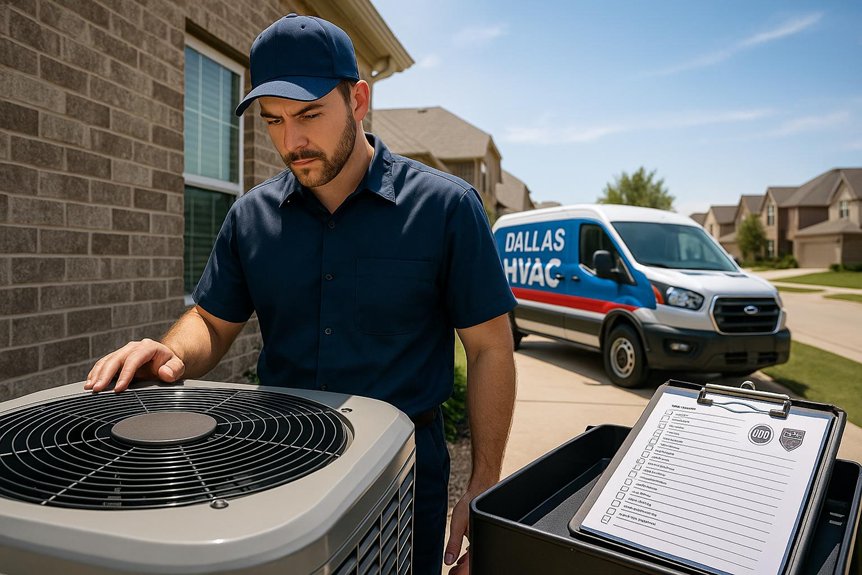
Before you commit to installing a new heat pump, it’s important to understand your system’s current condition and remaining performance potential. Some problems that feel serious may still be repairable with targeted component replacement or airflow improvements. You should start by reviewing your recent repair history, monitoring energy bills, and noting comfort changes across different rooms. Scheduling a professional heat pump diagnostic inspection allows technicians to evaluate efficiency levels, electrical performance, and refrigerant balance accurately.
Smart steps you can take before making your decision:
- Replace air filters regularly during heavy heating and cooling months
- Track unusual noises or longer than normal system runtime
- Compare recent energy bills for sudden efficiency changes
- Keep outdoor unit clear of leaves, debris, or obstructions
- Request a repair versus replacement cost comparison estimate
Taking a proactive approach helps you avoid rushed decisions during emergency breakdowns. Choosing the right HVAC Contractor also plays a major role in how confidently you can move forward with repairs or replacement planning.
Why You Can Trust Reynolds Heat & Air for Heat Pump Service in Dallas
When you are trying to decide whether to repair or replace your heat pump, working with an experienced local HVAC company makes the process much easier. We have been serving Dallas County for over 25 years, helping you make practical comfort decisions based on real system performance — not guesswork. Our NATE-certified technicians perform detailed diagnostics to determine whether your system will benefit more from a reliable heat pump repair service or a complete heat pump installation and replacement solution.
Whether your system needs targeted repairs to restore efficiency or a full upgrade to improve long-term comfort, we focus on delivering dependable heating and cooling solutions built for North Texas weather conditions. Scheduling timely service with our team helps you protect indoor comfort, control energy expenses, and extend the overall lifespan of your HVAC system.